

What is a chassis in engineering?
In construction machinery, the track chassis is the core infrastructure of the entire equipment. It is not only responsible for carrying the engine, hydraulic system, and control system, but also provides stable support for various working devices. Whether it is a drilling rig, transportation platform, or agricultural machinery, the chassis will directly affect the driving stability, throughput capacity, and overall operational efficiency of the equipment. Therefore, a well-designed and reliable track chassis is an important foundation for ensuring long-term stable operation of equipment.

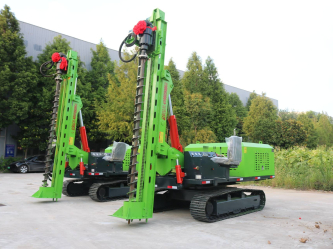
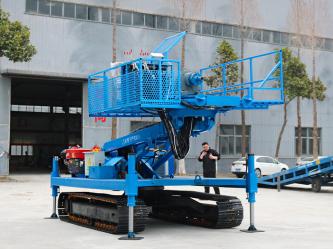
Crawler chassis for sale is widely popular in construction, mining, rescue, and outdoor projects due to its excellent maneuverability, strong grip, and reliable stability. The rock track chassis shown in the figure has a low center of gravity and track drive system, allowing it to move smoothly on challenging terrains such as mountainous areas, construction sites, forests, and uneven gravel roads. With the track drive system, it can easily cope with complex environments such as mountainous areas, construction sites, forests, and gravel roads, and maintain stable operation.
What is a chassis in engineering?
The chassis in engineering refers to the basic support structure or framework of mechanical equipment. It connects and carries various important components in the machine, including the engine, hydraulic system, transmission system, control unit, and working accessories.
Simply put, the chassis is the "skeleton" of construction machinery. It mainly provides:
The structural foundation that supports the main components of the entire machine
Stable mobility and transportation capability
Protective effect on internal mechanical systems
Install platforms for different working devices
For example, in engineering equipment, the chassis can carry drilling equipment, lifting systems, excavation arms, or transport platforms. In tracked machinery, the chassis also includes track systems, drive motors, support wheels, and shock absorption structures, enabling the equipment to move in complex terrains.
The important role of tracked chassis in engineering equipment
Tracked chassis is a special chassis structure that uses continuous tracks instead of traditional tires. Compared with wheeled chassis, tracked chassis effectively reduces the pressure of equipment on the ground by expanding the contact area with the ground, while improving stability and grip ability.
Excellent terrain adaptability
One of the biggest advantages of custom rock crawler chassis is its ability to adapt to complex and harsh working environments. Whether on muddy, sandy, gravel roads, sloping or uneven ground, the track structure can provide stronger friction and reduce slippage.
Therefore, rock crawler chassis is widely used in:
Construction projects in mountainous areas
Mining and Quarry Operations
Forest maintenance project
Emergency rescue equipment
Transportation operations in remote areas
High stability and strong load-bearing capacity
The track structure can lower the overall center of gravity of the equipment, allowing the machinery to maintain better balance during operation. This is particularly important for machinery that needs to carry heavy equipment or work in sloping environments.
For example, tracked transport platforms and tracked construction machinery can safely transport materials and equipment in areas that ordinary vehicles cannot enter.
Reduce ground damage
Due to the fact that the tracks distribute the weight of the equipment over a larger contact area, the ground pressure generated by the tracked chassis is smaller, which can reduce damage to soft ground such as farmland, forests, and construction sites.
The main components of a tracked chassis
The complete tracked chassis system consists of multiple key components that work together to provide mobility and stable support for the equipment.
Crawler walking system
The track system is the most obvious component of rock crawler chassis, mainly including tracks, track support wheels, idler wheels, and drive wheels.
The continuous track structure can keep the equipment in contact with the ground at all times, improve traction capacity, and reduce vibration during operation.
Drive system
The drive system provides power for device movement. Currently, many modern tracked chassis are driven by hydraulic motors because hydraulic systems can provide large torque output and achieve precise control.
The hydraulic drive system can enable equipment to:
Realize smooth walking
Undertaking a large workload
Adapt to complex construction environments
Frame Structure
The chassis main frame is usually made of high-strength steel to withstand the weight of the entire machine and the impact and vibration generated during operation.
A well-designed chassis structure can improve the service life of equipment and reduce maintenance costs.
control system
Advanced tracked chassis platforms can be equipped with remote control systems, electronic control systems, or hydraulic control systems. These technologies can enhance operational safety, allowing equipment to operate in narrow or hazardous environments.
The manufacturing process of tracked chassis
The production of tracked chassis requires strict engineering design and manufacturing processes.
Structural Design and Material Selection
Engineers will first design the chassis structure based on the application requirements of the equipment, including:
bearing capacity
working environment
climbing performance
Device dimensions
High strength steel is commonly used in chassis manufacturing due to its excellent impact resistance and service life.
Frame welding and processing
After cutting and processing, the steel plate is welded to the main structure of the chassis. Professional welding techniques can ensure that the chassis has sufficient structural strength and long-term reliability.
Subsequently, the chassis will undergo surface treatment to enhance its corrosion resistance.
Installation of hydraulic system and track components
After completing the frame manufacturing, the engineering personnel will install:
hydraulic motor
Track support wheel
drive sprocket
crawler track
Control Components
All components will undergo debugging to ensure stable operation of the equipment.
Performance Test
Before delivering to the customer, tracked chassis typically requires multiple tests, including:
load testing
Walking performance test
Climbing test
Hydraulic system testing
These tests can ensure the safe and reliable operation of the equipment in actual working environments.
Application of tracked chassis in modern engineering
Due to its flexibility and durability, tracked chassis are widely used in multiple industries.
Construction and infrastructure projects
Crawler platforms are commonly used for material transportation, drilling rig installation, and various special equipment loading on construction sites.
It is particularly suitable for:
Uneven ground area
Restricted space area
High intensity construction environment
Mining and Quarry Operations
Mining environments typically have characteristics such as abundant rocks, steep slopes, and complex roads. The tracked chassis can provide the required traction and stability, improving the safety of equipment operation.
Agricultural and forest operations
In forest and agricultural areas, tracked equipment can move on soft soil while reducing damage to the ground.
Special Engineering Applications
Tracked chassis is also used for:
Inspection Robot
rescue equipment
engineering vehicle
Remote operation platform
Why choose a tracked chassis instead of a wheeled chassis?
The choice between a tracked chassis or a wheeled chassis mainly depends on the actual working environment.
Wheeled chassis is usually suitable for flat roads and high-speed transportation scenarios, while tracked chassis has more obvious advantages in complex environments:
Stronger traction capability
Better stability
Lower grounding pressure
Stronger climbing ability
For complex engineering environments such as mountainous areas, mining areas, and remote regions, tracked chassis can usually provide better work efficiency and reliability.
Frequently Asked Questions about Engineering Chassis and Tracked Chassis
Q1: What is the main function of an engineering chassis?
Engineering chassis is mainly used to support the overall structure of mechanical equipment, carry power systems, hydraulic systems, control systems, and various working devices, while ensuring stable operation of the equipment.
Q2: What are the advantages of a tracked chassis?
Compared to traditional wheeled structures, tracked chassis has stronger grip, higher stability, lower ground pressure, and better adaptability to complex terrains.
Q3: In which fields can tracked chassis equipment be applied?
Crawler chassis is widely used in construction, mining, forest operations, agricultural engineering, rescue equipment, and various complex environmental engineering projects.
Q4: How long is the service life of a tracked chassis?
The service life of a tracked chassis depends on manufacturing quality, working environment, maintenance, and frequency of use. A tracked chassis made of high-quality materials and maintained properly can maintain stable and reliable performance over the long term.
Customer Visit
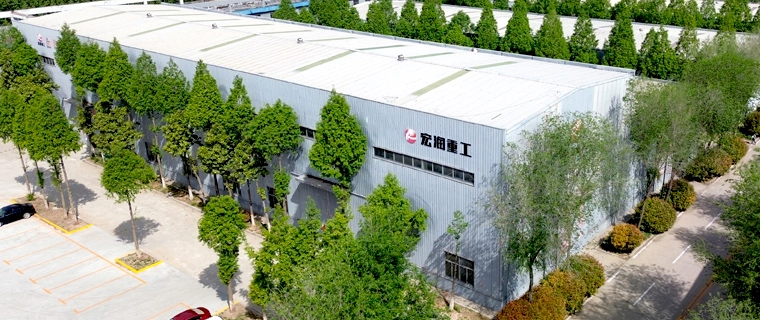
Welcome customers to visit our factory, explore our production process, check product quality, and discuss cooperation opportunities.