

How much do well drilling rigs cost?
The price of a water well drilling rig is mainly influenced by factors such as equipment specifications, construction depth, and configuration level. Generally speaking, household users or small-scale agricultural scenarios do not have high equipment requirements, and small portable drilling rigs are basically capable. These types of equipment are usually suitable for well depths not exceeding 100 meters, and the market price is roughly between $500 and $3500.
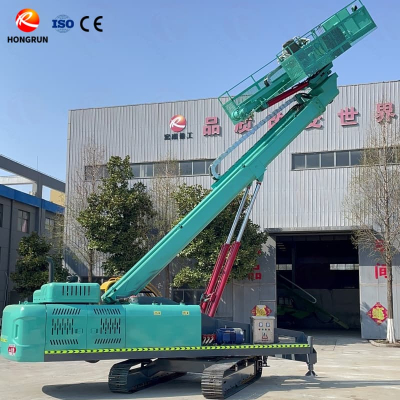
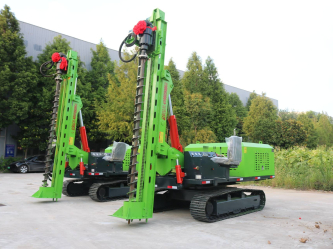
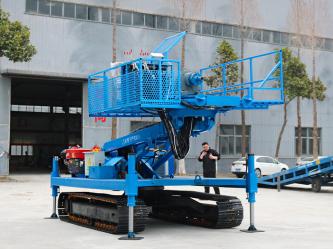
If the drilling depth is within the range of 100 meters to 400 meters, it is more suitable for agricultural irrigation or small centralized water supply systems. Medium sized water well drilling rigs are more suitable, and common forms include tracked or trailer type, with a purchase cost generally around $4500 to $25000.
For engineering projects with higher well depth requirements, such as geothermal development or industrial water use, large water well drilling rigs with operating capabilities of 400 to 1500 meters are often required, mostly truck or heavy-duty crawler water well drilling rigs, with a price range usually between $27500 and $155000. Models with higher configurations or stronger performance may even exceed $200000 in price.

Key factors affecting the price of water well rotary drilling machine
The price range of drilling platforms is quite large, ranging from small household equipment worth thousands of dollars to professional models worth hundreds of thousands of dollars. The differences are mainly determined by the types, depth capabilities, and configuration levels mentioned above.
1.Core Performance Parameters
(1)Drilling Capacity: The primary price driver. For every 50-meter increase in drilling depth, the price rises by $5,000–$10,000 on average. Larger drilling diameters also boost costs, as they require higher-power components and more consumables.
(2)Power Type: Electric rigs (220V/380V) are cost-effective for small-scale use. Diesel-powered rigs, ideal for complex terrain and hard formations, are 30%–50% pricier. Track-mounted pneumatic rigs, which use air compressors for rock-stratum drilling, have the highest power system costs.
2.Mobile Well Drilling Rig Configuration and Materials
(1)Core Component Quality: Rigs with high-strength alloy drill pipes cost over 20% more than those with standard steel pipes but offer 3–5 times longer service life. Wear-resistant drill bits for hard rock further increase configuration costs.
(2)Additional Functions: Basic models with only drilling functions are cheaper. Advanced features like auto-lifting systems, variable frequency speed regulation, and depth measurement devices add $2,000–$5,000. High-automation rigs with real-time monitoring systems see a sharp price hike.
3. Brand and Product Attributes
(1) Brand premium: Well known brands have more guarantees in manufacturing processes, quality control, and after-sales service, and water well rotary drilling machine prices are usually about 10% -20% higher than ordinary brands.
(2) Types and conditions of drilling rigs: Portable household drilling rigs are generally priced between thousands to tens of thousands of dollars; Large rail or vehicle mounted drilling rigs used in the industrial field often start at hundreds of thousands of dollars. In contrast, the price of second-hand drilling rigs is lower, depending on the service life and degree of wear and tear.
4.Sales and Logistics Factors
(1)Sales Channels: Factory-direct purchases save 10%–15% compared to dealer channels but require self-paid logistics. Customized rigs for special geological conditions cost more due to tailored production.
(2)Transportation Costs:The cost of transporting large tracked water well drilling rigs is very high, especially when transported to remote areas, and these expenses are often passed on to buyers. In contrast, the transportation cost of small handheld drilling rigs is almost negligible.

How to Choose a Well Drilling Rig?
1.Clarify Drilling Needs
(1) When choosing a household shallow small-diameter well, it is recommended to carry a lightweight drilling rig; When deep large-diameter industrial drilling is required, larger drilling rigs with higher power should be used.
(2) If encountering soil or soft formations, electric or diesel driven rotary drills are more suitable; For operations in hard formations such as rocks, it is recommended to use pneumatic drilling machines.
2.Match to Working Conditions
(1)Portable rigs: Ideal for households/small farms (easy to transport).
(2)Track-mounted rigs: Suit muddy/hilly terrain (large-scale irrigation/remote sites).
(3)Vehicle-mounted rigs: Fit commercial drilling (high mobility for frequent relocation).
3.Check Configuration Quality
(1)Prioritize alloy drill pipes and wear-resistant bits to cut maintenance costs.
(2)Select models with auto-lifting, depth measurement for efficiency; professional well drilling rig manufacturers can choose automated rigs with real-time monitoring.
4.Balance Budget and Brand
(1)Budget-friendly portable electric rigs for small projects; mid-to-high-end rigs for industrial use (avoid cheap low-quality models).
(2)Choose well drilling rig manufacturers with global after-sales; inspect core components and maintenance records if buying used.
5.Consider Logistics and Support
(1)Compact rigs save shipping costs for remote areas; confirm freight terms for large rigs.
(2)Ensure power type matches on-site conditions; check if essential accessories are provided.